Optimal Timing for Pavers Service
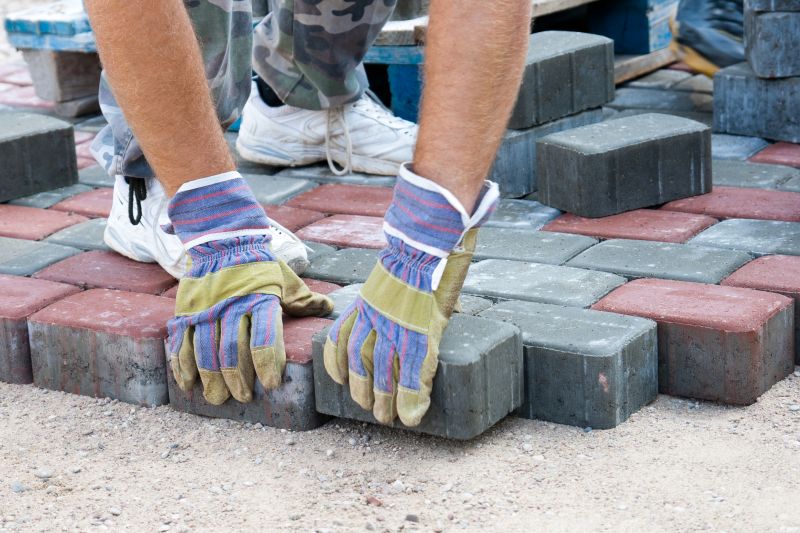
Spring offers moderate temperatures ideal for pavers installation and repairs, reducing the risk of cracking or shifting.
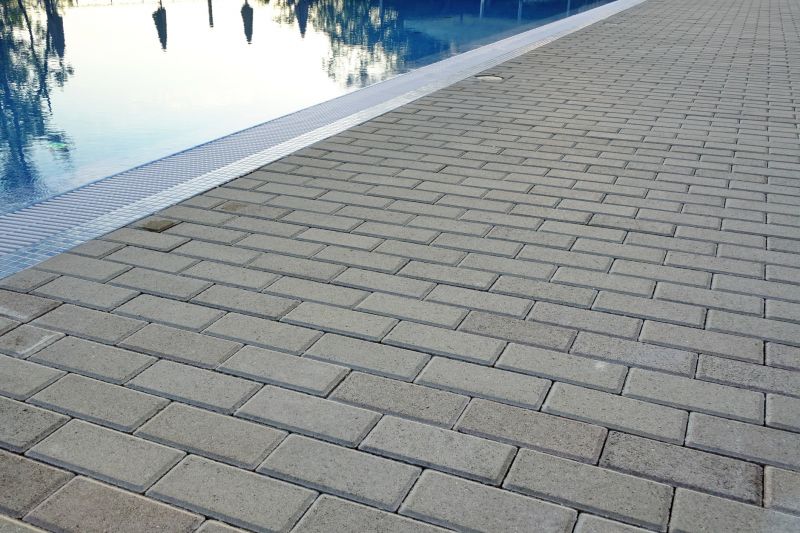
Summer provides longer daylight hours for maintenance projects, though high temperatures require careful scheduling.
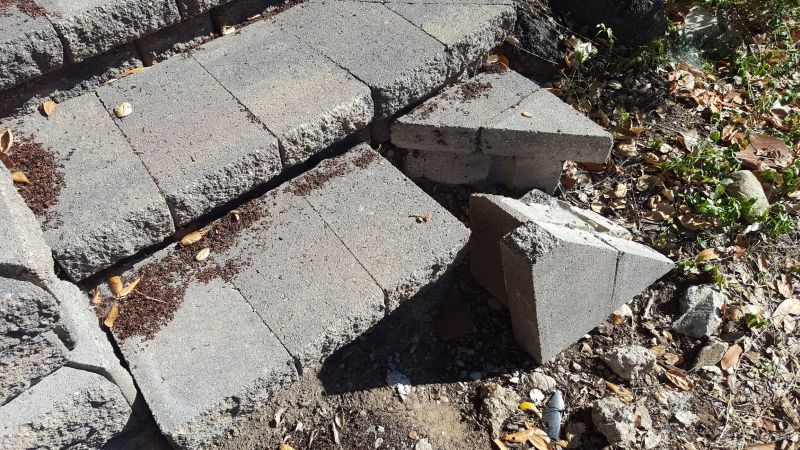
Fall is suitable for sealing and repairs before winter, with cooler weather minimizing moisture-related issues.
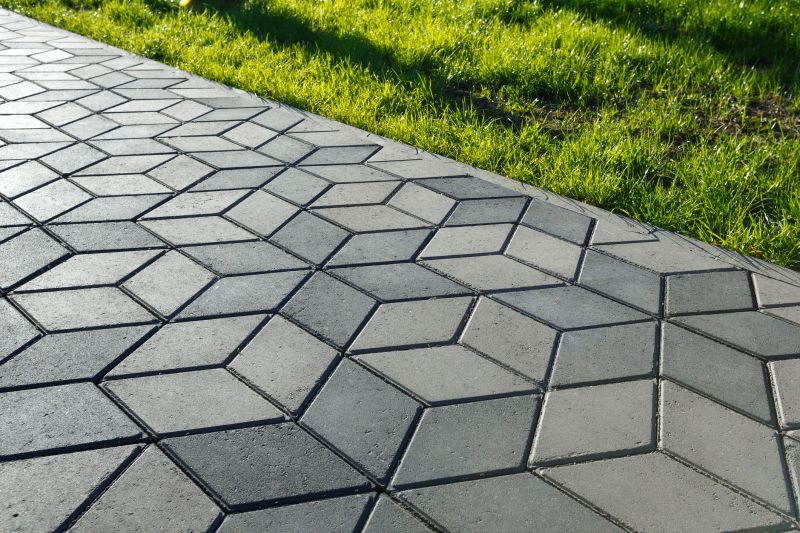
Ways to make Pavers Service work in tight or awkward layouts.
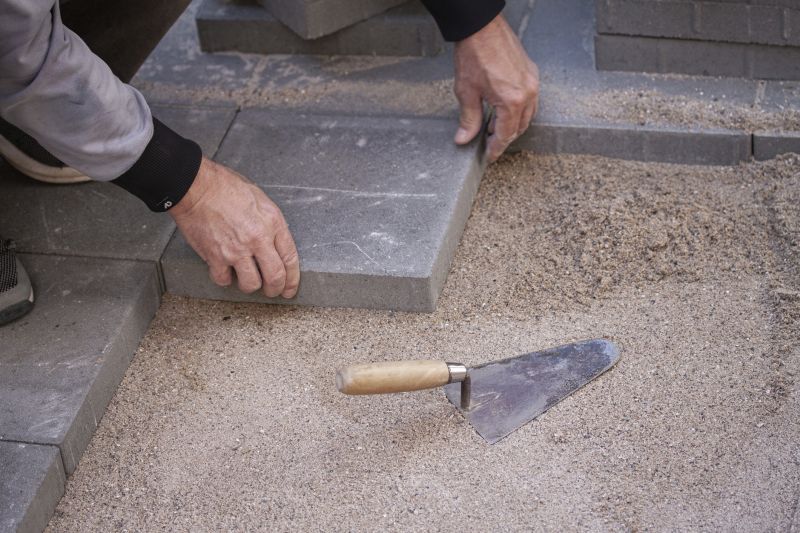
Popular materials for Pavers Service and why they hold up over time.
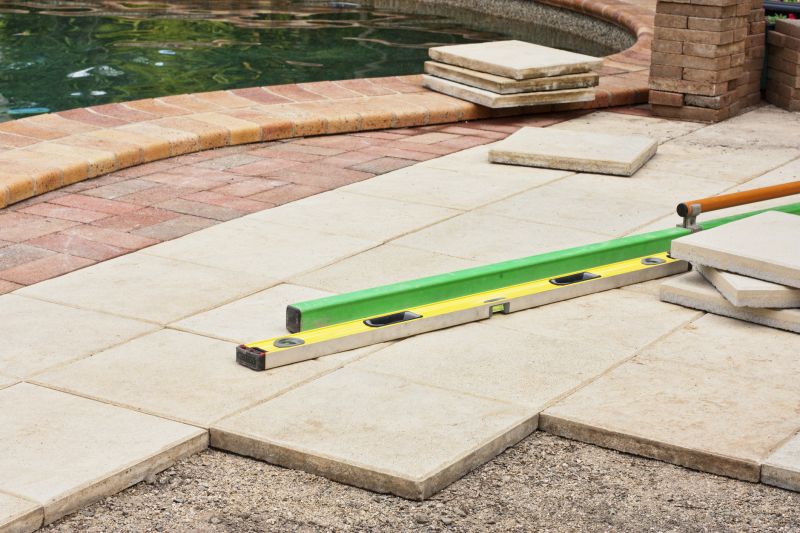
Simple add-ons that improve Pavers Service without blowing the budget.
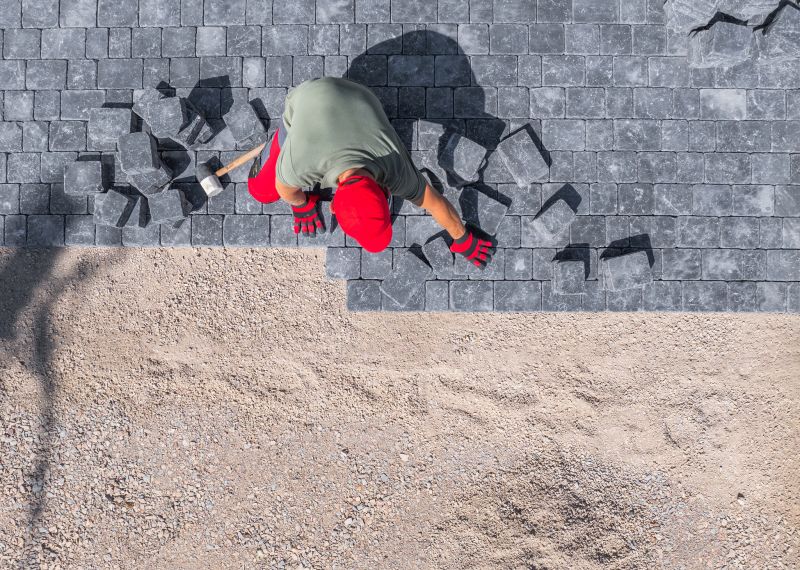
High-end options that actually feel worth it for Pavers Service.
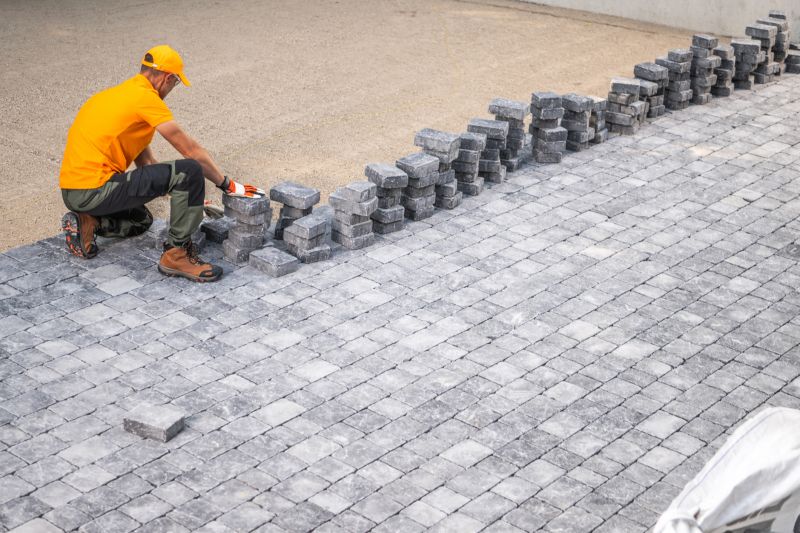
Finishes and colors that play nicely with Pavers Service.
Pavers service involves installation, repair, and maintenance of paved surfaces to ensure durability and aesthetic appeal. Proper timing maximizes longevity and reduces the likelihood of damage. Typically, the best times are during mild weather conditions when temperature fluctuations are less extreme, preventing issues like shifting or cracking.
In regions with distinct seasons, scheduling pavers service during spring or fall can lead to optimal results. These periods offer stable temperatures and lower moisture levels, which are crucial for proper setting and sealing. Additionally, avoiding extreme heat or cold minimizes the risk of surface damage and ensures a longer-lasting paved area.
Timely maintenance helps prevent costly repairs and preserves the appearance of paved surfaces.
Avoid scheduling during freezing temperatures or heavy rain to ensure proper setting and curing.
Align pavers service with seasonal weather patterns for the best outcomes and durability.
Completing repairs before winter can prevent freeze-thaw damage and prolong surface life.
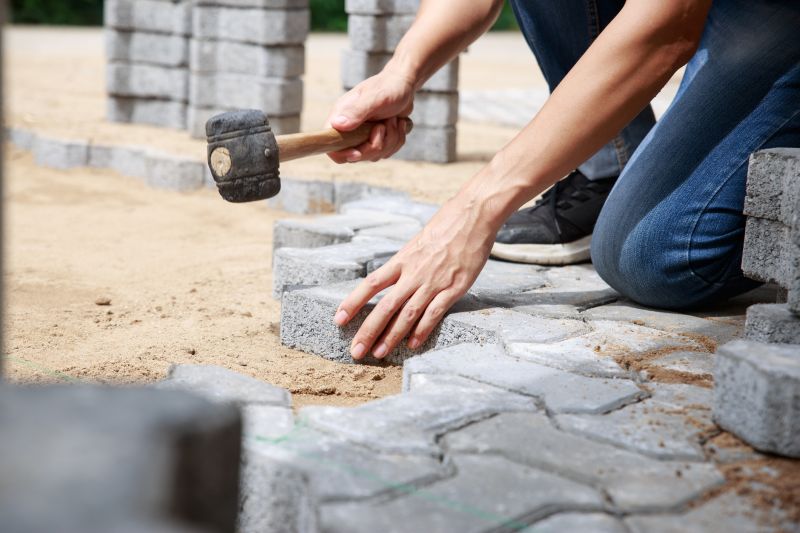
Ideal for new projects, with moderate temperatures supporting proper setting.
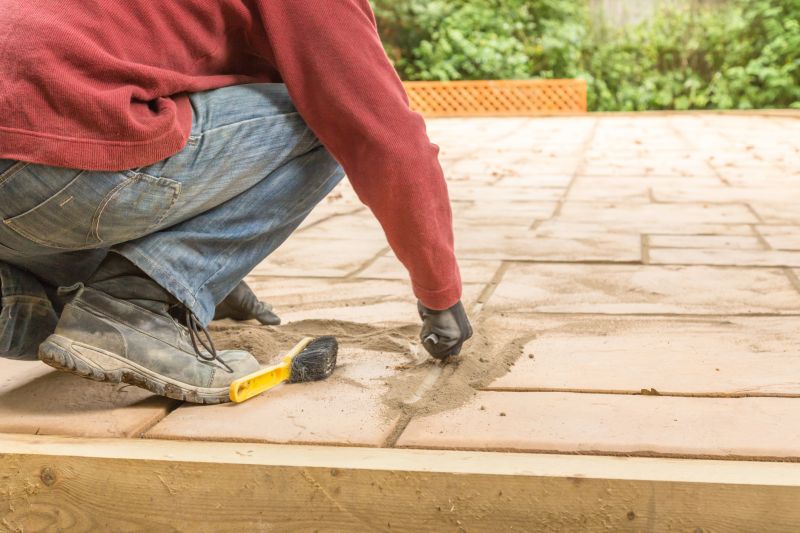
Focus on sealing and repairs, with considerations for heat and sunlight.
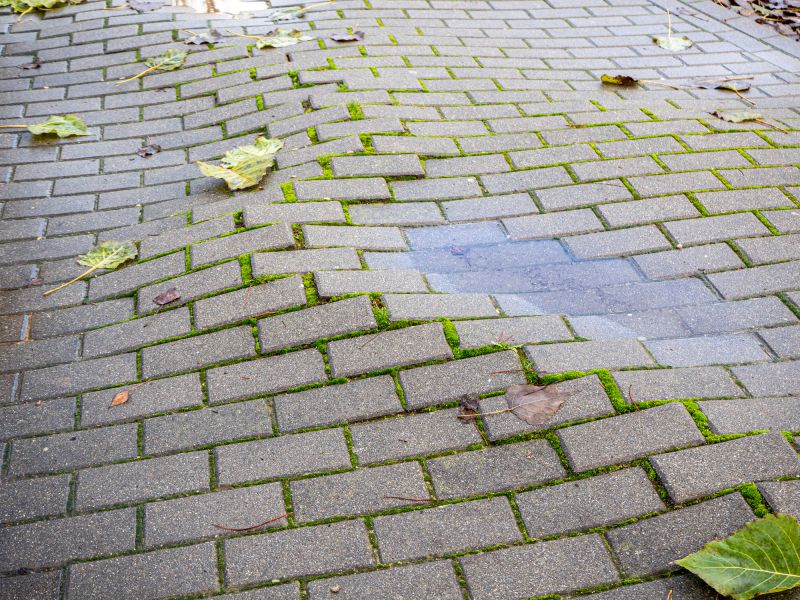
Prepares surfaces for winter, reducing damage risks.
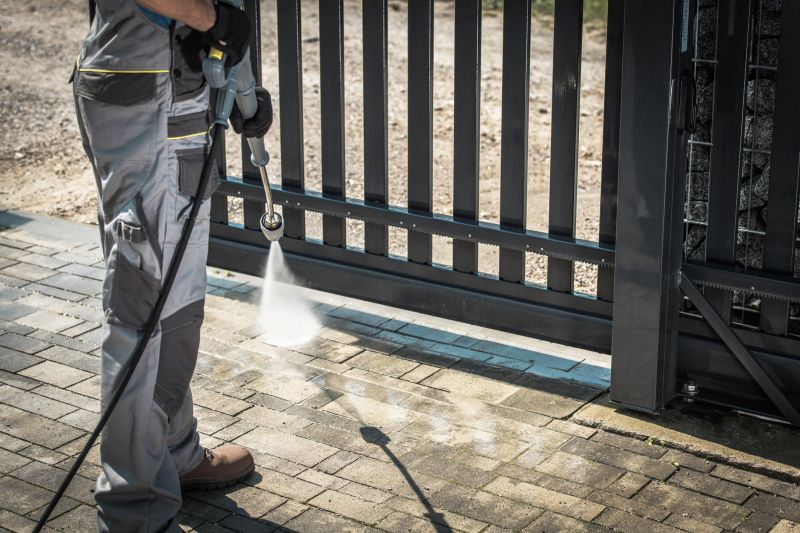
Generally avoided for major work due to cold and moisture concerns.
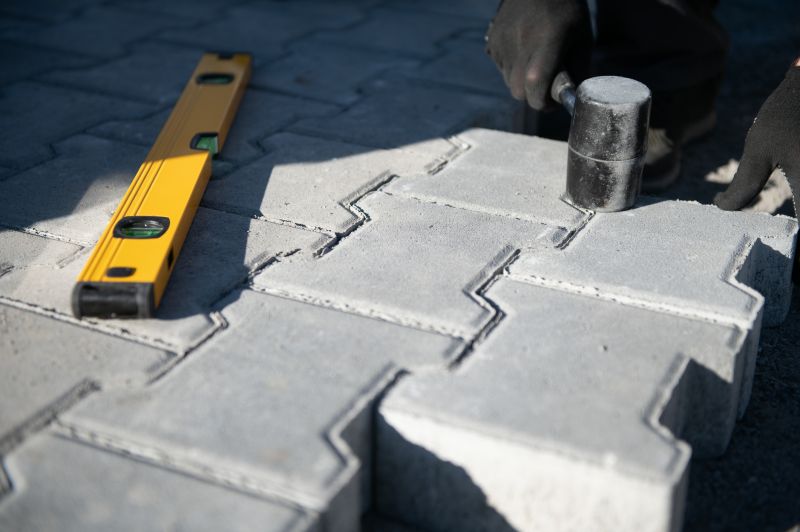
Little measurements that prevent headaches on Pavers Service day.
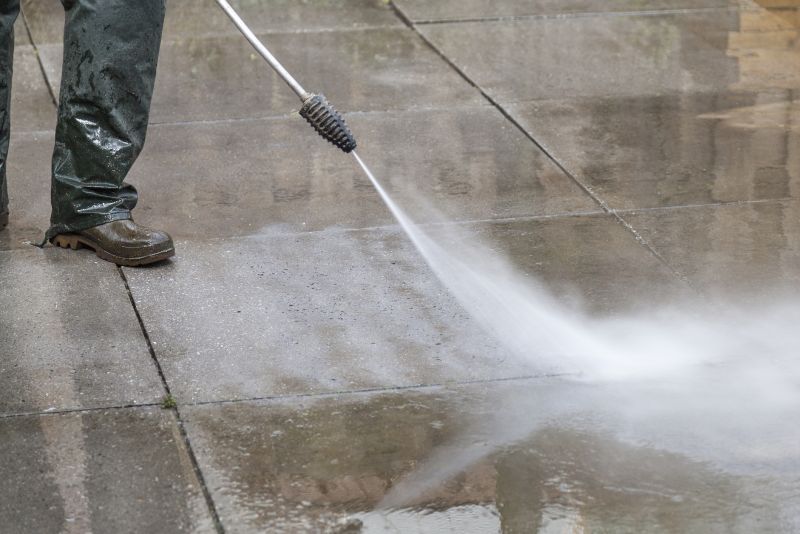
A 60-second routine that keeps Pavers Service looking new.
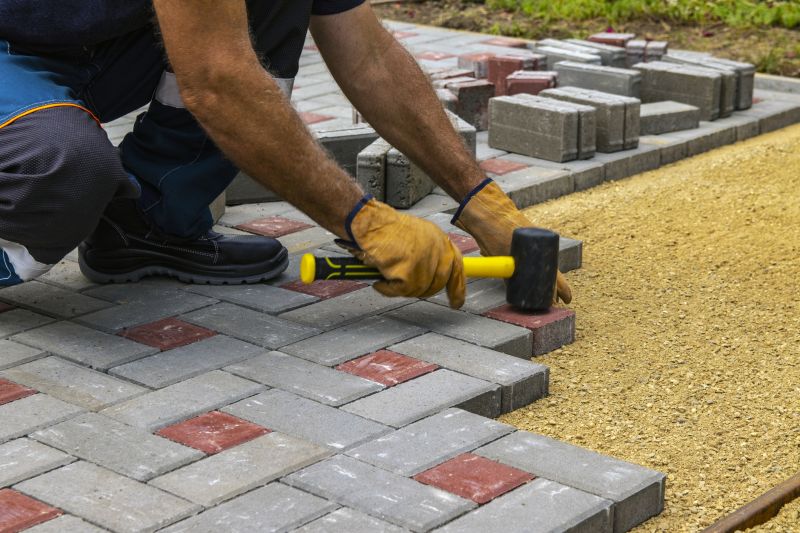
A frequent mistake in Pavers Service and how to dodge it.
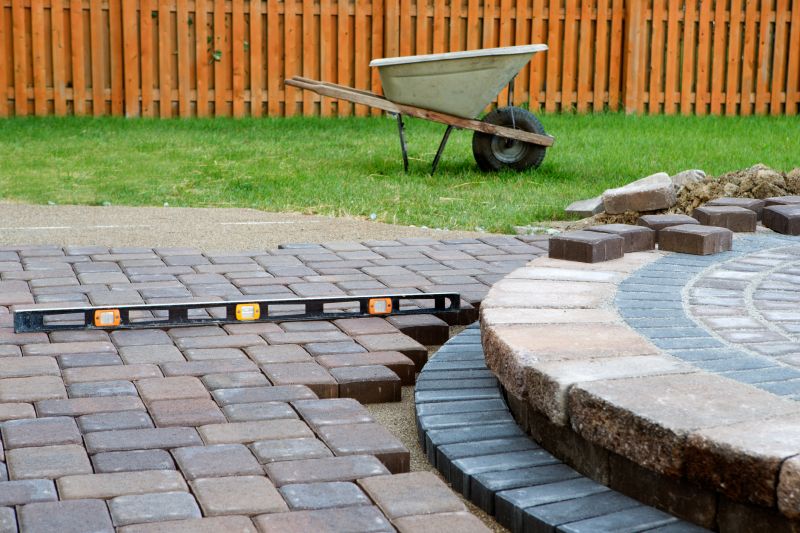
Small tweaks to make Pavers Service safer and easier to use.
| Season | Ideal Activities |
|---|---|
| Spring | Installation and sealing |
| Summer | Maintenance and repairs |
| Fall | Repairs and sealing |
| Winter | Limited work, inspections |
Pavers service enhances the functionality and appearance of outdoor surfaces. Proper timing ensures that materials set correctly and that repairs last longer. Seasonal considerations are important to prevent issues such as shifting, cracking, or surface deterioration caused by weather extremes.
Scheduling pavers service during suitable weather conditions can lead to more efficient work and better results. Consulting with professionals about the optimal timing based on local climate patterns can help maintain paved surfaces in top condition throughout the year.
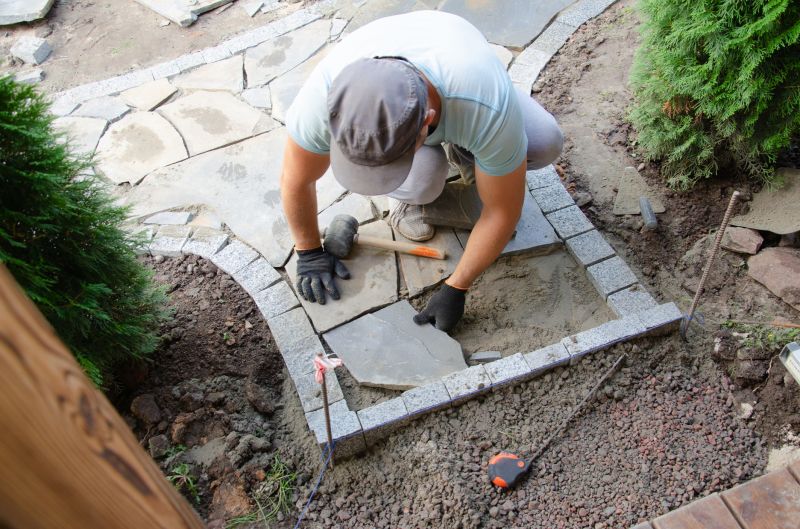
Spring is optimal for new installations and sealing, with mild weather supporting curing processes.
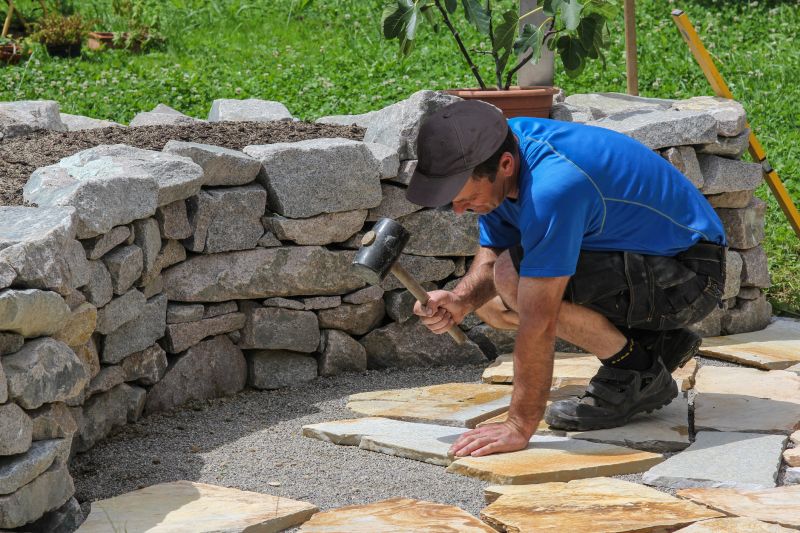
Summer requires attention to heat-related expansion and contraction, best suited for inspections and minor repairs.
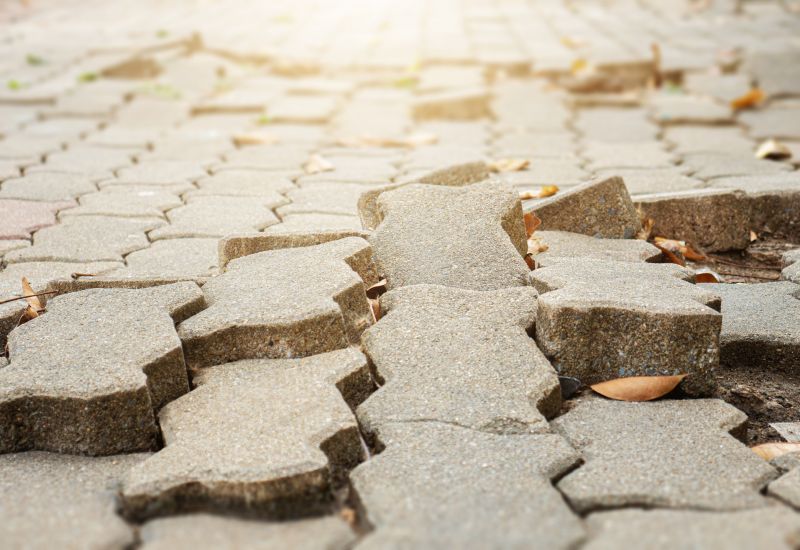
Fall is suitable for sealing and preparing surfaces for winter conditions.
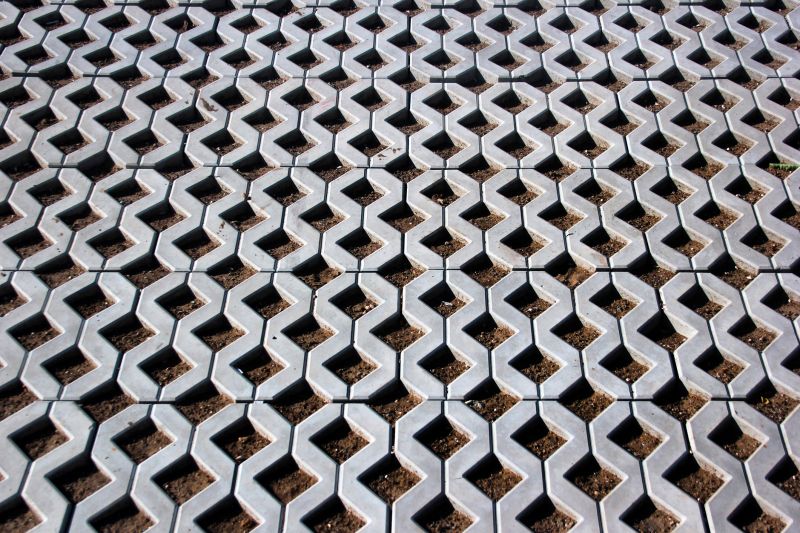
Lower-waste or water-saving choices for Pavers Service.
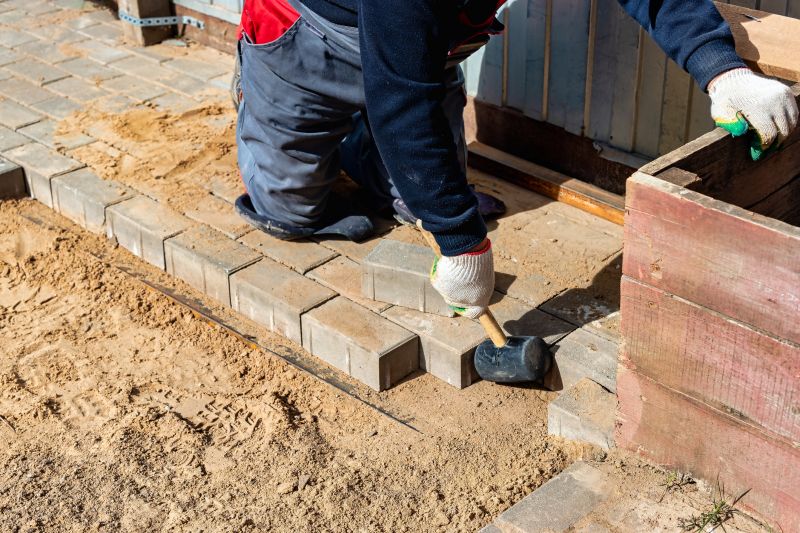
The short, realistic tool list for quality Pavers Service.
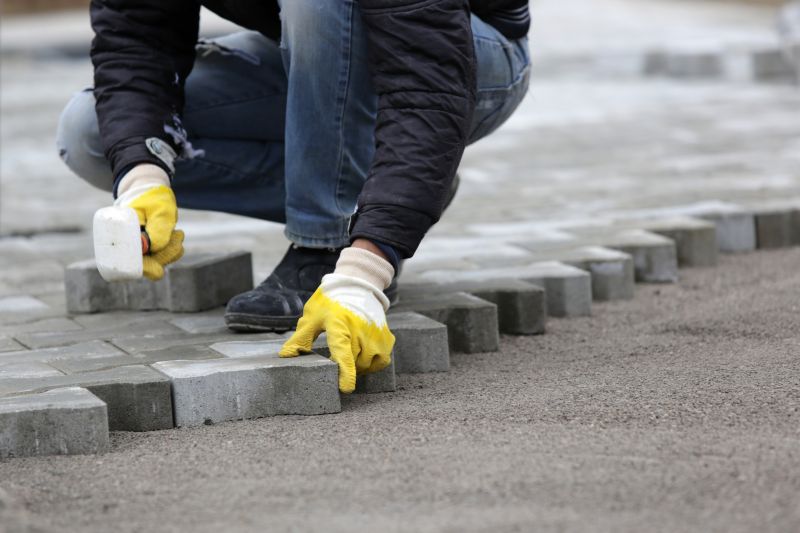
Rough timing from prep to clean-up for Pavers Service.
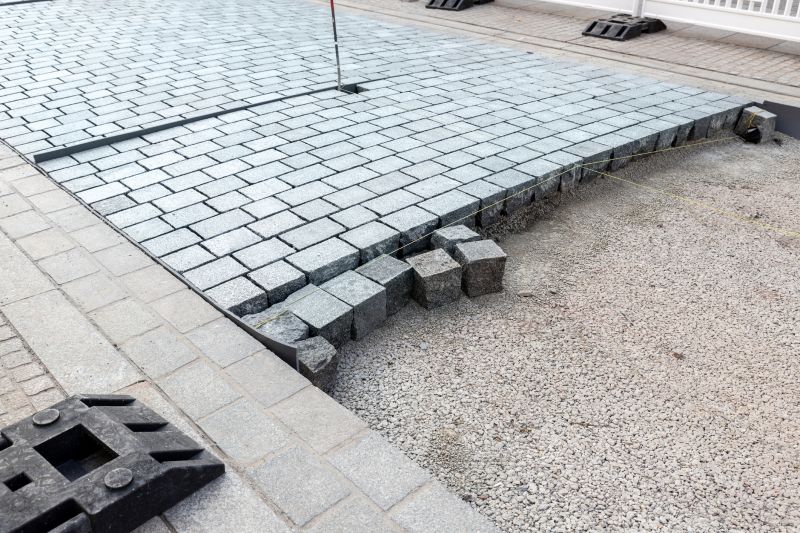
Quick checks and paperwork to keep after Pavers Service.
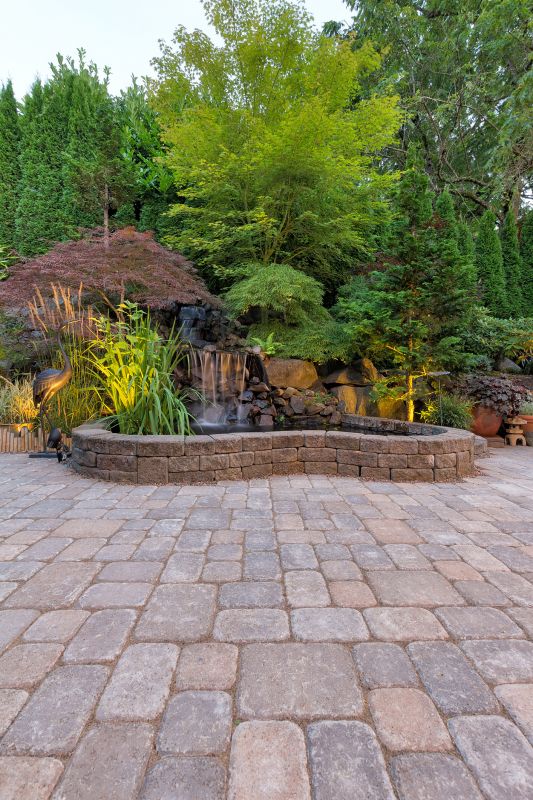
Examples that show the impact a good Pavers Service can make.
Interested parties are encouraged to contact for more information or to schedule pavers service. Proper timing can significantly extend the lifespan and appearance of paved surfaces, making professional guidance valuable for planning projects.